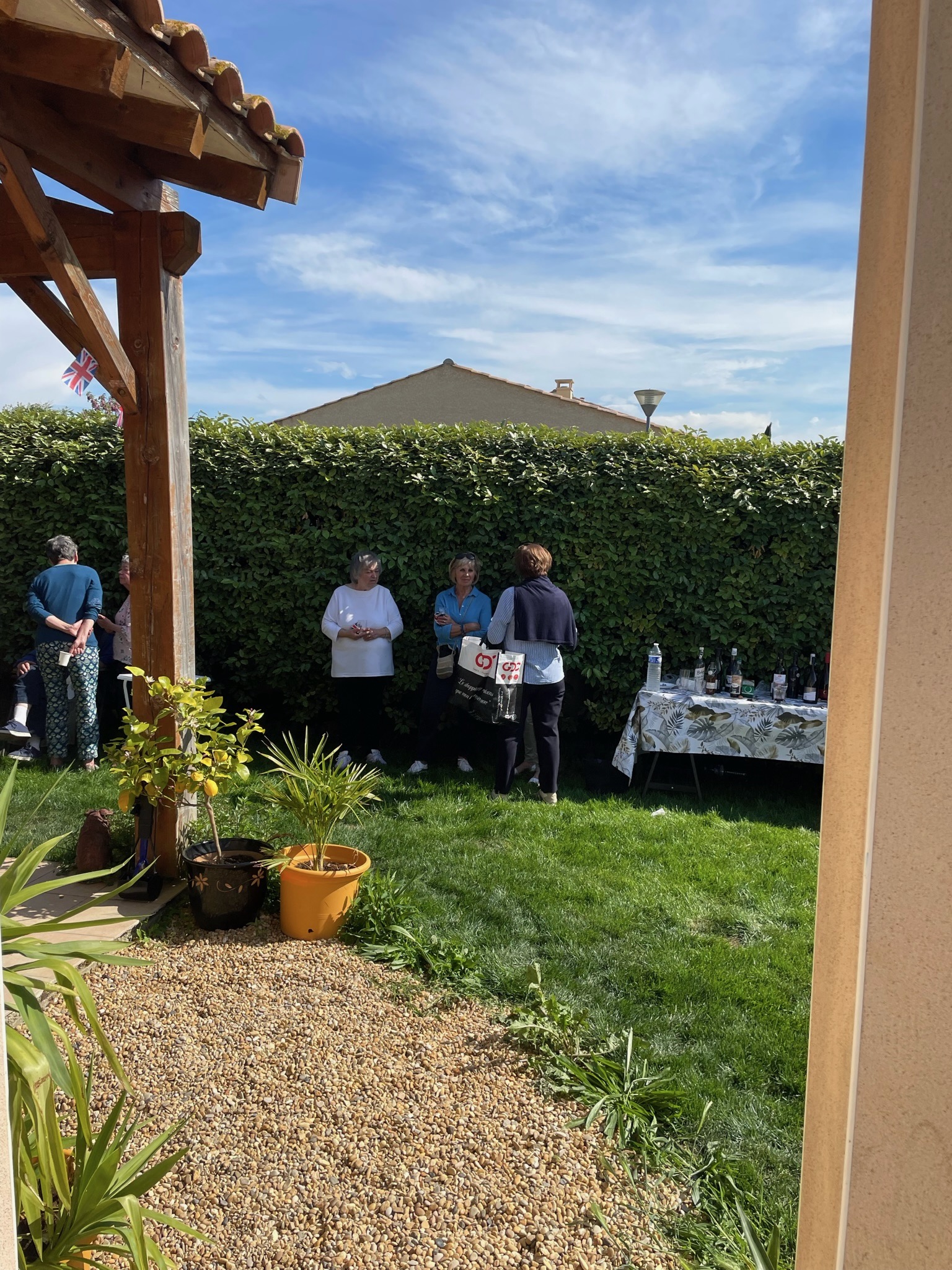


The best answer to where to stay for Limoux wine tasting is not always Limoux itself. For many visitors, a quiet village base between the vineyards and Carcassonne offers the more rewarding rhythm: unhurried mornings, scenic drives through the Aude countryside, and a peaceful place to return to after a day of tasting.
Limoux is wonderfully placed for a wine-centred short break, but the surrounding villages deserve equal consideration. Choosing where to sleep shapes the whole holiday – from how easily you can reach estates to whether your evenings feel lively, restful or a little too busy. For couples and independent travellers, a comfortable rural stay can turn a tasting itinerary into a proper escape.
Where to stay for Limoux wine tasting: Limoux or nearby?
Staying in Limoux town puts you close to wine bars, restaurants and the handsome Place de la République. It is a sensible choice for travellers who would prefer to walk to dinner after a tasting, particularly if they are arranging transport rather than driving. The town has a gentle, lived-in character, with arcaded streets, a weekly market and a useful selection of local services.
There is a trade-off. Limoux can feel more like a convenient stop than a countryside retreat, especially during busier weekends and events. If you are also planning to visit Carcassonne, the Canal du Midi, Cathar country or the wider wine route, staying in one place close to the main roads may make better use of a short break.
A village near Carcassonne offers that balance. You remain within easy reach of Limoux and its vineyards while gaining quieter evenings, open views and a more spacious sense of the Languedoc landscape. Leuc, just south of Carcassonne, is particularly well positioned for travellers who would like wine tasting to sit alongside medieval history, local walks and relaxed village life.
Why a rural base makes sense
Wine tasting in the Limoux area is rarely about rushing from one cellar door to the next. The pleasure lies in the journey between them: the change in terrain, the small stone villages, the vines climbing gentle slopes and the changing light over the foothills of the Pyrenees.
From a peaceful rural base, it is easier to plan one or two thoughtful visits in a day rather than overfilling the schedule. You can linger over a producer’s story, stop for lunch in a village, or take a detour when a church, viewpoint or market catches your attention. This region rewards a little flexibility.
Leuc is around half an hour’s drive from Limoux, depending on the vineyard and route chosen, while the Medieval City of Carcassonne is only about ten minutes away. That makes it a practical compromise for guests who want to explore more than one side of the region without changing accommodation midway through their stay.
Complimentary parking is especially valuable here. Many of the most characterful estates are outside town, and a car gives you the freedom to visit quieter corners of the appellation at your own pace. It also means you can easily carry home a bottle or two of a favourite discovery.
Of course, tasting and driving require care. Plan conservatively, share samples, use spittoons where offered, and appoint a driver who is not drinking. If both of you want to taste fully, ask your accommodation or the vineyard about local transport options, private drivers or visits that can be arranged without a car. A great wine day should end safely.
What makes Limoux wines worth the journey?
Limoux is best known for sparkling wine, and for good reason. Blanquette de Limoux has a long local history and is traditionally made with Mauzac, a grape that can bring fresh apple notes and a distinctive, lightly herbal character. Crémant de Limoux is usually broader in style, often blending Chardonnay and Chenin with local varieties for a refined, food-friendly sparkle.
There is more than fizz to seek out. Still white Limoux wines can be elegant and expressive, while reds from the surrounding Languedoc offer a warmer, more Mediterranean counterpoint. Individual estates vary greatly in scale and approach. Some welcome visitors into a polished tasting room; others offer something more intimate, perhaps with the winemaker or a family member pouring the wines.
That variety is why personal recommendations matter. A well-known house may suit a first-time visitor seeking a clear introduction to the region. A smaller producer can be more memorable for those who enjoy hearing about soils, harvests and the choices behind each bottle. The best itinerary depends on whether you favour sparkling wine, organic viticulture, food pairings or simply a beautiful setting.
Plan a tasting day with room to breathe
A comfortable Limoux wine day often begins with a late breakfast and a single morning appointment. Book ahead where possible, particularly in spring, summer and harvest season, as many independent vineyards are working estates rather than walk-in attractions.
After a morning tasting, allow time for lunch before deciding whether a second visit will add to the day. Limoux town is an appealing place to pause beneath the plane trees, while nearby villages can provide quieter alternatives. In warmer months, the temptation is to do too much; a long lunch and a gentle drive through the vineyards are often the better choice.
Leave one day of your stay unplanned. You may find a producer whose wines deserve a return visit, hear about a local fête, or decide that a morning walk is more appealing than another cellar. A host with local knowledge can help shape these decisions around your interests, the weather and opening hours, rather than following a generic route.
At Leuc Bed & Breakfast, the adults-only setting, climate-controlled room and calm village surroundings make it easy to slow the pace after a day out. Breakfast can be added when you would like an easy start before setting off, and tailored suggestions can help you choose vineyards and local places that suit your plans.
Choose the stay that suits your evenings
The right base depends partly on what you want after tasting. If your ideal evening is to step straight into a restaurant or bar without using the car, Limoux town is likely to be the best fit. It is also practical for visitors focused almost entirely on the wine route.
If you picture returning to birdsong, village lanes and a more restful atmosphere, look just beyond the town. A rural base is especially appealing for a two- to four-night break, when you can combine Limoux with Carcassonne’s medieval citadel, the Canal du Midi and countryside walks without feeling that you are constantly checking in and out.
For travellers arriving through Carcassonne Airport, staying near the city can also simplify the first and last day of a holiday. You can collect a hire car, settle in quickly and begin exploring without a long onward journey. The convenience is modest on a map but meaningful after an early flight.
A few details that make a real difference
Before booking, consider the practicalities as carefully as the view. Ask whether parking is straightforward, whether breakfast is available, and whether the room will be comfortable in the heat of a southern French summer. Check dining options for the evenings you are staying too: small villages can be wonderfully peaceful, but restaurants may have limited opening days outside high season.
It is also worth thinking about your preferred pace. A central hotel may suit a one-night stop, while a spacious room in a quiet village is often more comfortable when you are staying several nights and exploring by car. Couples travelling for a special occasion may value privacy and a personal welcome more than a large reception desk or a busy breakfast room.
The most enjoyable Limoux wine breaks leave space for the unexpected: an extra bottle tucked into the boot, a sunset over the vines, or a recommendation that leads you down a road you would otherwise have missed. Choose a base that makes those small pleasures easy, then let the region set the pace.
Leave a Reply